

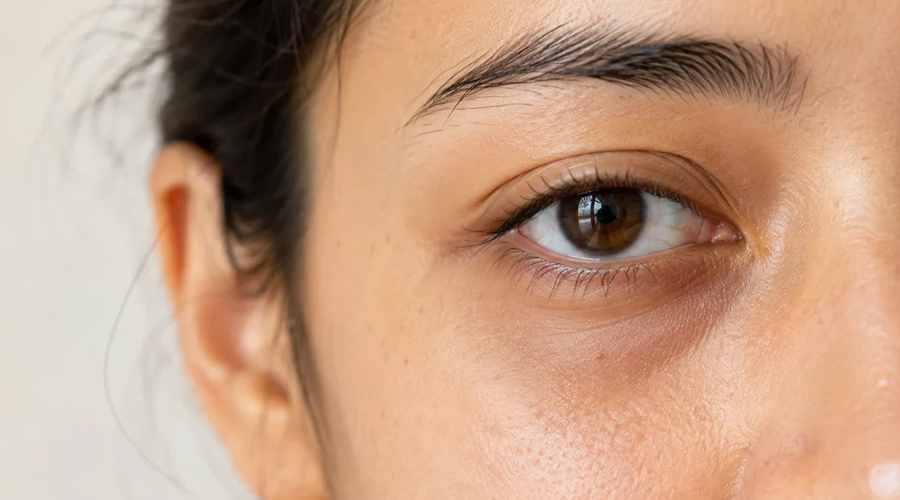
Under-Eye Pigmentation
Under-eye pigmentation — commonly referred to as dark circles — is a widespread cosmetic concern that can make a person appear tired, aged, or unwell regardless of overall health. The periorbital area is delicate and complex, and dark circles can arise from multiple different causes. Effective treatment requires accurate identification of the underlying cause rather than a one-size-fits-all approach.
Understanding Under-Eye Pigmentation
The skin around the eyes is thinner and more sensitive than the rest of the face. Dark circles can result from pigmentation (excess melanin), vascularity (visible blood vessels through thin skin), structural shadows (hollowness or volume loss), or a combination of these factors. Identifying the primary cause is essential for selecting the most appropriate treatment.
Common Causes
Constitutional or genetic pigmentation — natural darkening that runs in families.
Post-inflammatory hyperpigmentation from eczema, rubbing, or irritation.
Visible blood vessels through thin under-eye skin (vascular dark circles).
Volume loss and hollowness casting a shadow (tear trough deformity).
Sun exposure worsening existing pigmentation.
Fatigue, stress, and lifestyle factors contributing to a tired appearance.
Allergic shiners from nasal congestion or chronic eye rubbing.
Our Treatment Approach
1. Cause-Specific Assessment
A thorough evaluation of the type of dark circles (pigmentary, vascular, structural, or mixed) determines the most appropriate treatment pathway and avoids ineffective interventions.
2. Topical Depigmenting Agents
For pigmentary dark circles, carefully selected topical preparations with depigmenting ingredients can help reduce melanin in the periorbital area over time. Only gentle, ophthalmologist-tested formulations suitable for the eye area are used.
3. Chemical Peels (Periorbital Peels)
Very superficial peels specifically formulated for the under-eye area can improve pigmentary dark circles with caution. These require skilled application to ensure safety in the delicate periorbital zone.
4. Laser Treatments
Q-switched laser or fractional laser can help address pigmentary and textural changes around the eyes. For vascular dark circles, appropriate laser or light-based treatments targeting blood vessels may be considered.
5. Dermal Fillers (Tear Trough)
When volume loss and shadowing contribute significantly to the dark circle appearance, hyaluronic acid fillers in the tear trough area can restore volume and reduce the shadow effect, providing immediate improvement.
6. PDRN & Skin Booster Treatments
Polynucleotide (PDRN) injections or injectable skin boosters in the periorbital area can improve skin quality, hydration, and brightness in this delicate zone.
Benefits of Professional Treatment
Addresses the specific type of dark circles for effective results.
Safe treatment in the delicate periorbital area with appropriate techniques.
Improves overall appearance and reduces a tired or aged look.
Combines multiple modalities for comprehensive improvement.
Provides realistic guidance on what to expect from treatment.
What to Expect
Under-eye pigmentation treatment results vary depending on the cause. Pigmentary dark circles respond gradually to topical therapy and laser over several months. Structural dark circles from volume loss show more immediate improvement with fillers. A combination approach often provides the best outcome. Your dermatologist will assess your specific type and recommend the most suitable plan.