

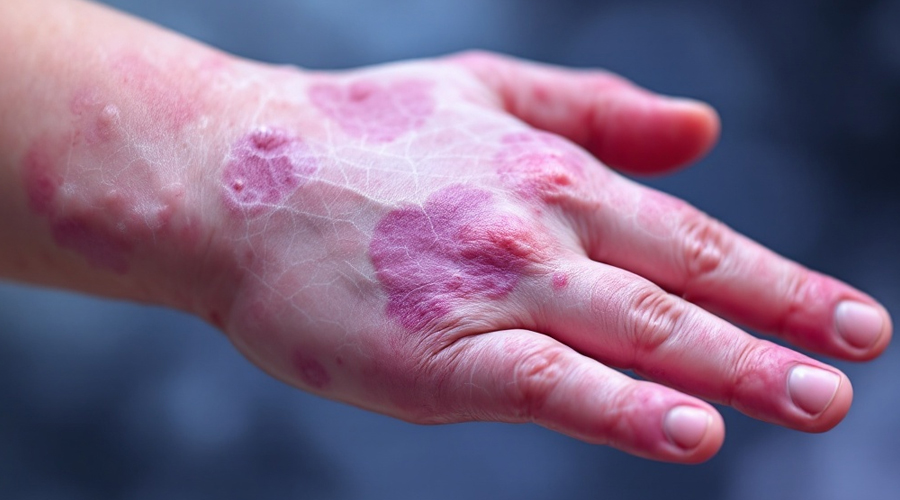
Eczema, Psoriasis & Lichen Planus
Eczema, psoriasis, and lichen planus are chronic inflammatory skin conditions that can significantly impact daily comfort and quality of life. Each condition has distinct characteristics, triggers, and treatment needs. Our dermatology team provides accurate diagnosis and personalised management plans to help reduce symptoms, control flare-ups, and support long-term skin health.
Understanding These Skin Conditions
These are immune-mediated conditions that cause persistent or recurring skin changes. While they share some surface similarities, each has a unique underlying mechanism and pattern of involvement.
Eczema (Atopic Dermatitis)
Eczema is a common inflammatory skin condition characterised by dry, itchy, and inflamed skin. It often begins in childhood and may persist into adulthood. Common triggers include allergens, irritants, stress, sweat, and environmental changes. It frequently coexists with asthma or allergic rhinitis.
Persistent itching and dry skin patches.
Red, inflamed, or scaly skin on the face, neck, and limbs.
Skin thickening due to repeated scratching (lichenification).
Tendency to flare with seasonal or environmental changes.
Psoriasis
Psoriasis is a chronic autoimmune skin disorder where skin cells multiply faster than normal, leading to thick, scaly plaques. It can affect the scalp, elbows, knees, lower back, and nails. Psoriasis may also be associated with joint involvement (psoriatic arthritis) and metabolic conditions.
Well-defined red or silvery plaques on the skin.
Scalp psoriasis causing flaking and itching.
Nail changes including pitting or separation.
Joint pain or stiffness in some cases.
Lichen Planus
Lichen planus is an inflammatory condition affecting the skin, mucous membranes, hair, and nails. It typically presents as itchy, flat-topped, purplish bumps. Oral lichen planus may cause white patches or sores inside the mouth. While it often resolves over time, it can be recurrent and requires proper management.
Itchy, flat, purplish papules on the wrists, ankles, and lower back.
White, lacy patches inside the mouth or on the tongue.
Nail changes and, in some cases, scalp involvement leading to hair loss.
Our Treatment Approach
Treatment is personalised based on the condition, severity, affected areas, and individual health factors.
1. Accurate Diagnosis
A thorough skin examination, medical history review, and, if needed, a skin biopsy are performed to confirm the diagnosis and rule out other conditions.
2. Topical Therapies
Medicated creams, ointments, or lotions may be prescribed to reduce inflammation, control symptoms, and manage flare-ups based on the affected area and skin sensitivity.
3. Systemic Treatment
For moderate to severe conditions or widespread involvement, oral medications or systemic therapies may be recommended after evaluating overall health and treatment history.
4. Phototherapy
Controlled ultraviolet light therapy (narrowband UVB) may be considered for selected cases of eczema, psoriasis, or lichen planus that do not respond adequately to topical treatment.
5. Trigger Identification & Lifestyle Guidance
Identifying personal triggers — such as allergens, stress, or specific products — and offering guidance on skincare routines and lifestyle adjustments to reduce flare frequency.
Benefits of Professional Management
Reduces itching, redness, and discomfort.
Helps control flare-ups and extend periods of remission.
Prevents complications such as skin infections.
Supports overall skin barrier function.
Improves quality of life with a structured management plan.
What to Expect During Your Consultation
Your dermatologist will assess the extent and severity of your condition, review your medical and treatment history, and discuss suitable management options. These conditions often require ongoing care and regular follow-up. While many patients achieve good symptom control, complete cure may not always be possible, and treatment goals focus on managing symptoms and preventing complications.