
Dandruff & Scalp Disorders
The scalp is a unique skin environment that is prone to a variety of inflammatory, infectious, and structural conditions. Dandruff and scalp disorders can cause persistent itching, flaking, discomfort, and secondary hair fall if left untreated. Accurate identification of the underlying scalp condition ensures appropriate treatment and prevents long-term follicular damage.
Common Scalp Disorders We Treat
Dandruff (Pityriasis Capitis)
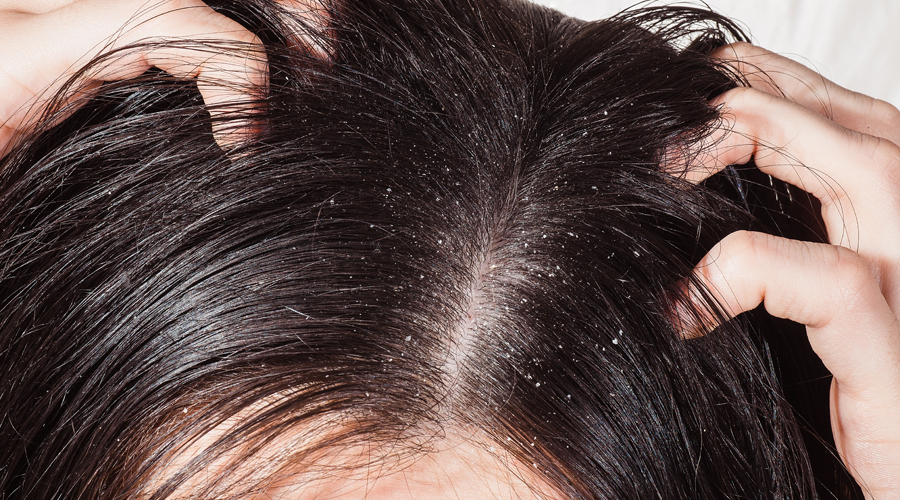
Dandruff is characterised by white or yellowish flakes from the scalp, often accompanied by mild itching. It is caused by the overgrowth of Malassezia yeast on the scalp and is influenced by sebum production, skin barrier function, and individual susceptibility. While a common and benign condition, persistent dandruff can be embarrassing and may worsen hair fall.
Seborrhoeic Dermatitis of the Scalp
A more severe form of dandruff, seborrhoeic dermatitis involves inflammation with greasy yellowish scales, redness, and itching. It can extend beyond the scalp to affect the eyebrows, sides of the nose, and behind the ears. It is a chronic condition that requires ongoing management.
Scalp Psoriasis
Presents as thick, silvery-white plaques on the scalp with significant scaling, itching, and potential extension to the forehead, neck, and behind the ears. Often associated with psoriasis elsewhere on the body.
Scalp Folliculitis
Inflammation or infection of the hair follicles on the scalp, presenting as small, itchy, or tender pustules. Can be bacterial, fungal, or related to other inflammatory conditions.
Contact Dermatitis of the Scalp
Allergic or irritant reactions to hair dye, shampoos, or hair products causing redness, itching, and scaling of the scalp.
Our Treatment Approach
1. Scalp Examination & Trichoscopy
A detailed scalp examination using dermoscopy helps distinguish between different scalp conditions and assess the degree of follicular involvement and inflammation.
2. Medicated Shampoos & Topical Agents
Prescription-strength antifungal shampoos (ketoconazole, ciclopirox), tar-based preparations, topical corticosteroids, or calcineurin inhibitors are selected based on the specific scalp condition and severity.
3. Systemic Treatment
For severe or refractory scalp psoriasis or seborrhoeic dermatitis, oral medications may be considered after assessing overall health and treatment history.
4. Scalp Procedures
Intralesional corticosteroid injections may be used for localised scalp psoriasis or scarring alopecia associated with scalp inflammation. Scalp peels may also be considered in suitable candidates to manage severe dandruff or seborrhoeic dermatitis.
5. Trigger Management & Lifestyle Guidance
Guidance on appropriate hair care products, washing frequency, dietary factors, and stress management supports long-term scalp health and reduces the frequency of flare-ups.
Benefits of Professional Scalp Care
Accurate diagnosis distinguishing between different scalp conditions.
Targeted treatment for effective symptom control.
Prevents secondary hair loss caused by scalp inflammation.
Reduces itching, flaking, and discomfort.
Guidance on suitable hair care products and scalp maintenance.
What to Expect
Most scalp conditions respond well to appropriate treatment, though some — such as seborrhoeic dermatitis and scalp psoriasis — are chronic and require long-term management. Dandruff can often be well-controlled with medicated shampoos used regularly. Your dermatologist will recommend a maintenance plan to minimise recurrence and keep the scalp healthy.