

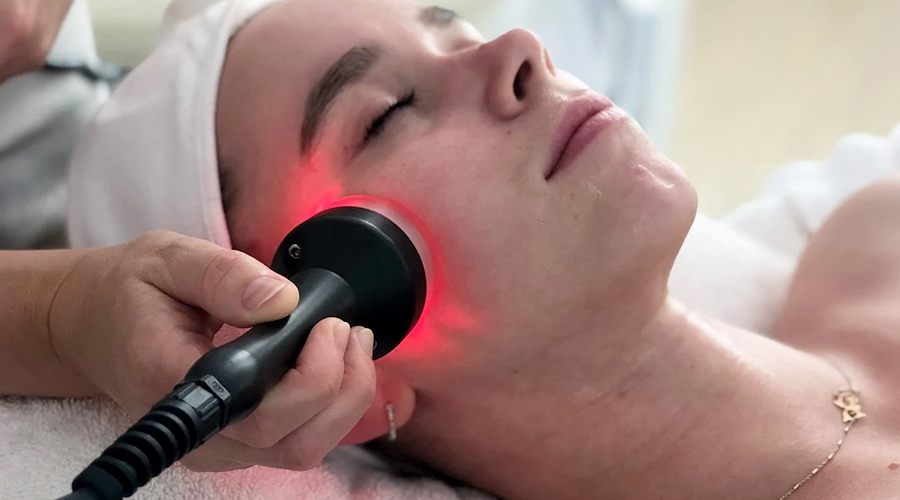
RF (Radiofrequency) Treatments
Radiofrequency (RF) treatments use controlled electrical energy in the radiofrequency spectrum to generate targeted heat within the skin's dermal layers. This thermal energy stimulates collagen and elastin production, tightens existing collagen fibres, and remodels the extracellular matrix — resulting in firmer, tighter skin, improved texture, and a reduction in acne scars and fine lines. RF treatments are versatile and can be delivered via multiple platforms depending on the skin concern.
How RF Treatments Work
Radiofrequency energy generates heat within the target tissue by causing oscillation of water molecules in skin cells. Unlike lasers, which target pigment (chromophores), RF energy targets water — making it chromophore-independent and therefore safe for all skin types including darker Indian skin tones without the risk of pigmentation changes. The controlled heat at the dermal level (55–65°C) denatures collagen, triggering an immediate tightening effect and a sustained wound-healing response that produces new collagen over months.
Types of RF Treatments We Offer
RF Microneedling (Fractional RF)
Combines microneedling with RF energy delivered through insulated needle tips directly into the dermis. This delivers focused thermal energy at precise depths while protecting the epidermis. It is one of the most effective treatments for atrophic acne scars, enlarged pores, and skin laxity. Suitable for all skin types.
Monopolar / Bipolar RF (Non-Invasive RF)
Non-invasive RF devices deliver energy through the skin surface to heat the deeper dermal and subdermal layers. Used for skin tightening, jawline contouring, and reducing early skin laxity without needles. Comfortable with no downtime.
MNRF (Microneedling with RF) for Stretch Marks
RF microneedling can also improve the appearance of stretch marks (striae distensae) by remodelling the disrupted collagen architecture, improving colour, texture, and surface regularity.
Conditions Treated
Atrophic acne scars (boxcar and rolling scars).
Enlarged pores and rough skin texture.
Mild to moderate skin laxity on the face and neck.
Fine lines and early wrinkles.
Stretch marks on the body.
Active acne and sebaceous gland overactivity (with specific RF protocols).
The Treatment Process
1. Pre-Treatment
A topical anaesthetic cream is applied 45 minutes before RF microneedling to ensure comfort. The skin is cleansed and marked for treatment zones. For non-invasive RF, no preparation is required.
2. Treatment Session
For RF microneedling, the device is systematically applied across the treatment area with customised depth and energy settings. The session takes 30–60 minutes. For non-invasive RF, the device handpiece is moved over the skin with coupling gel to deliver uniform energy.
3. Post-Treatment Care
RF microneedling causes redness, pinpoint marks, and mild swelling for 24–48 hours. Gentle skincare, barrier moisturisers, and sun protection are essential post-treatment. Non-invasive RF typically has no downtime.
Benefits of RF Treatments
Safe for all skin types — no chromophore targeting reduces pigmentation risk.
Effective for both acne scars and skin tightening.
Stimulates deep collagen remodelling for long-lasting improvement.
Customisable depth and energy for different skin concerns and areas.
Can be combined with PRP for enhanced healing and collagen boost.
What to Expect
For RF microneedling, a course of 3–5 sessions spaced 4–6 weeks apart is recommended. Gradual improvement in texture and scar appearance becomes visible over 3–6 months as collagen remodelling progresses. Non-invasive RF may require 6–8 sessions for skin tightening. Results are best maintained with periodic top-up sessions and a good skincare routine.