

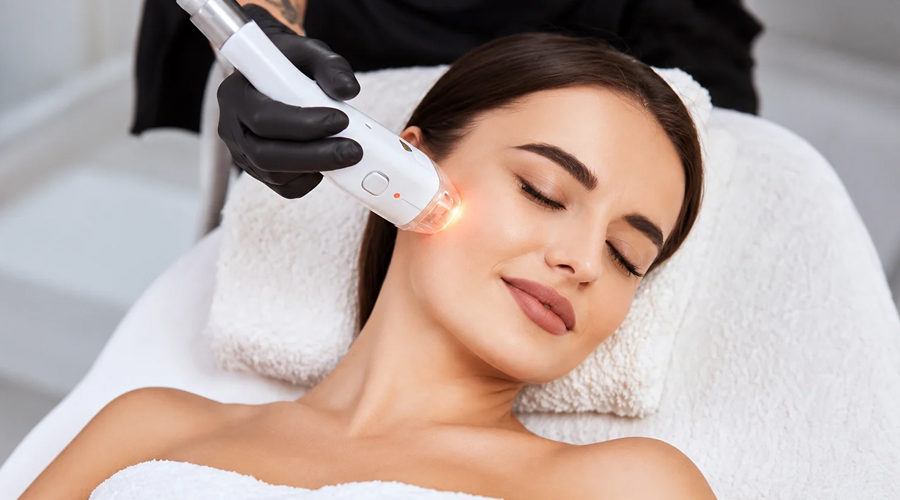
Pigmentation Laser Treatments
Laser treatments for pigmentation use targeted light energy to break down excess melanin deposits in the skin, offering an effective solution for a range of pigmentation disorders. When selected appropriately based on skin type, pigmentation depth, and the specific condition, laser treatments can achieve significant improvement in skin tone and clarity. Our dermatologist-guided approach ensures safe and effective pigmentation laser treatments tailored to each patient.
How Pigmentation Laser Treatments Work
Lasers used for pigmentation emit specific wavelengths of light that are selectively absorbed by melanin. This energy fragments the melanin particles, which are then cleared by the body's immune cells. Different laser systems target epidermal (superficial) and dermal (deeper) pigmentation at varying depths, making the choice of laser and treatment parameters critical for safe and effective outcomes — particularly for darker skin tones.
Pigmentation Conditions Treated
Melasma: Hormonal facial pigmentation requiring careful laser selection to avoid worsening.
Post-Inflammatory Hyperpigmentation (PIH): Dark spots from acne, trauma, or inflammation.
Sun Spots & Solar Lentigines: Flat, darkened patches from cumulative UV damage.
Freckles: Small pigmented spots that respond well to laser treatment.
Periorbital Pigmentation: Pigmentary dark circles around the eyes.
Lichen Planus Pigmentosus: Diffuse facial pigmentation with specific laser considerations.
Café-au-lait macules and other congenital pigmented lesions (selected cases).
Laser Technologies for Pigmentation
Q-Switched Nd:YAG Laser
Delivers nanosecond pulses at 1064 nm (for deeper pigmentation) and 532 nm (for superficial pigmentation). The gold standard for laser toning in Asian skin and suitable for melasma management at low fluence.
Picosecond Laser (Pico Laser)
Delivers ultrashort picosecond pulses creating a photoacoustic rather than purely photothermal effect. More efficient at fragmenting melanin with less heat, reducing the risk of post-inflammatory pigmentation. Preferred for stubborn pigmentation and post-acne marks.
Fractional Laser (CO₂ / Erbium)
For pigmentation associated with textural irregularities or deeper dermal involvement, fractional resurfacing can address both tone and texture simultaneously.
Our Treatment Approach
1. Pigmentation Assessment
Detailed clinical evaluation including dermoscopy and Wood's lamp examination identifies pigmentation type, depth, and distribution. This guides laser selection and treatment settings to maximise efficacy and minimise risk.
2. Pre-Treatment Priming
A topical depigmenting regimen for 4–6 weeks before laser treatment reduces baseline melanin activity, improving outcomes and reducing the risk of post-laser hyperpigmentation.
3. Laser Sessions
Treatment parameters are customised at each session based on observed skin response. Multiple sessions spaced 2–4 weeks apart are typically needed for progressive improvement.
4. Maintenance & Sun Protection
Strict sun protection and topical maintenance therapy after completing the laser course are essential to sustain results and prevent pigmentation recurrence.
Benefits
Precisely targets melanin for selective pigmentation reduction.
Improves overall skin tone and radiance.
Safe for Indian skin when used at appropriate settings.
Complements topical therapy for enhanced results.
Non-ablative options available with minimal downtime.
What to Expect
Visible improvement is gradual and progressive. Most patients notice clearer, more even skin after 4–6 sessions. Melasma and deeper pigmentation respond more slowly than superficial spots. Strict sun protection is non-negotiable for maintaining results. Your dermatologist will plan the appropriate laser protocol and monitor your skin's response throughout the treatment course.