

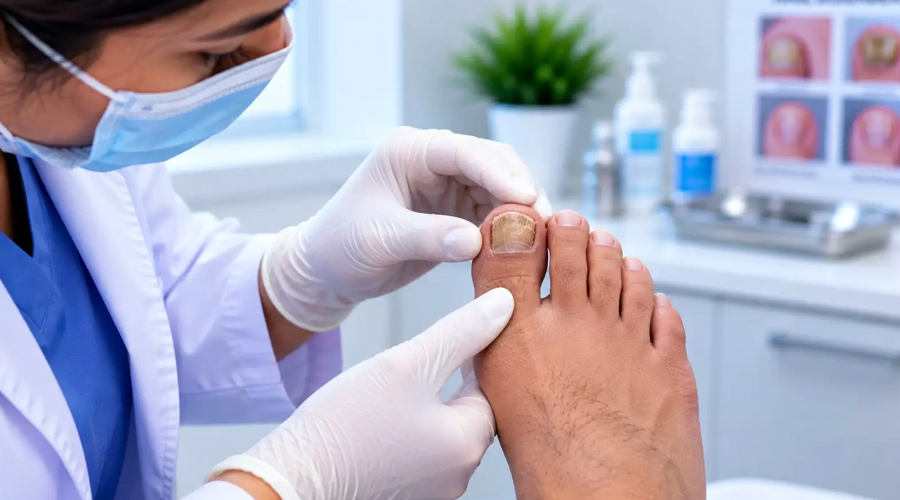
Nail Disorders
Nail disorders encompass a wide range of conditions affecting the fingernails and toenails, from cosmetic concerns to signs of underlying systemic disease. Changes in nail colour, shape, texture, or structure can indicate fungal infections, inflammatory skin conditions, nutritional deficiencies, or other health issues. Our dermatologists provide comprehensive evaluation and targeted treatment for various nail concerns.
Common Nail Disorders
Onychomycosis (Fungal Nail Infection): Thickening, discoloration, brittleness, and separation of the nail from the nail bed caused by fungal organisms.
Psoriatic Nail Disease: Pitting, onycholysis (nail separation), discoloration, and subungual hyperkeratosis associated with psoriasis.
Onycholysis: Separation of the nail plate from the nail bed, which can result from trauma, infection, or systemic conditions.
Paronychia: Infection or inflammation of the skin surrounding the nail, presenting as redness, swelling, and pain.
Ingrown Toenails: Toenail edges that grow into the surrounding skin, causing pain and possible infection.
Nail Pitting & Ridging: Surface changes that may be associated with alopecia areata, psoriasis, or other conditions.
Brittle Nails: Fragile nails prone to breakage, often linked to nutritional factors or repeated chemical exposure.
Subungual Tumours: Benign growths beneath the nail such as myxoid cysts or subungual exostoses that may require evaluation.
Our Treatment Approach
1. Nail & Skin Examination
A thorough evaluation of the nails and surrounding skin, along with a detailed medical and treatment history, helps identify the underlying cause of the nail disorder.
2. Investigations When Indicated
Nail clippings for fungal culture or microscopy, blood tests for nutritional deficiencies, and, in some cases, nail biopsy may be recommended to confirm the diagnosis.
3. Antifungal Treatment
Fungal nail infections are treated with topical nail lacquers for mild cases, or oral antifungal medications for more extensive involvement. Treatment typically requires several months for visible improvement.
4. Management of Inflammatory Nail Disease
Nail changes associated with psoriasis or other inflammatory conditions are managed as part of the overall skin treatment plan, which may include topical agents, systemic therapy, or intralesional injections.
5. Minor Procedures
Ingrown toenails may be managed with conservative techniques or partial nail avulsion. Nail biopsy, drainage of paronychia, or removal of subungual growths can be performed when clinically indicated.
Benefits of Professional Nail Care
Accurate diagnosis guiding appropriate treatment selection.
Effective management of fungal, inflammatory, and structural nail disorders.
Identifies nail changes that may indicate systemic health conditions.
Reduces discomfort and prevents worsening of the condition.
Guidance on nail care practices to support recovery and prevent recurrence.
What to Expect During Your Consultation
Your dermatologist will examine your nails carefully and discuss your symptoms, duration of the condition, and any associated skin or systemic concerns. Nail disorders often require extended treatment periods, and realistic timelines will be discussed based on the specific condition. Follow-up visits are important to monitor treatment progress.