

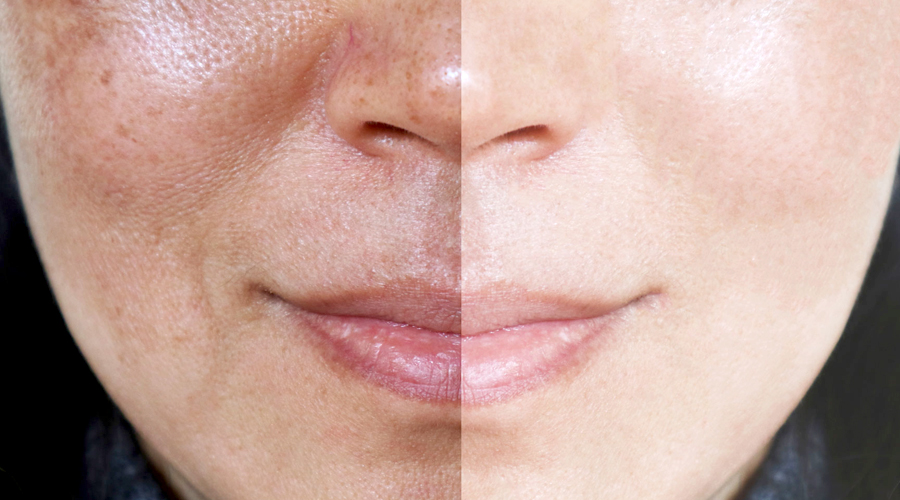
Melasma & Pigmentation Disorders
Melasma and pigmentation disorders are common skin concerns that cause uneven skin tone, dark patches, or discoloration. These conditions can affect confidence and often require a targeted, multi-step treatment approach for effective management. Our dermatologists assess the type and depth of pigmentation before recommending a personalised treatment plan.
Understanding Melasma & Pigmentation Disorders
Pigmentation disorders occur when melanin — the pigment that gives skin its colour — is produced in excess or distributed unevenly. Various factors including sun exposure, hormones, inflammation, genetics, and medications can trigger or worsen these conditions.
Common Pigmentation Concerns
Melasma: Brown or greyish patches typically appearing on the face, often triggered by sun exposure, hormonal changes, or pregnancy.
Post-Inflammatory Hyperpigmentation (PIH): Dark spots that develop after skin injury, acne, or inflammation.
Freckles & Sun Spots: Small brown spots caused by sun damage over time.
Periorbital Hyperpigmentation: Darkening around the eyes commonly known as dark circles.
Drug-Induced Pigmentation: Discoloration triggered by certain medications.
Lichen Planus Pigmentosus: Diffuse greyish-brown pigmentation often seen on the face and neck.
Our Treatment Approach
1. Detailed Skin Assessment
Accurate identification of the pigmentation type and depth using clinical examination and Wood's lamp evaluation guides appropriate treatment selection and avoids unsuitable interventions.
2. Topical Depigmenting Agents
Prescribed topical creams containing ingredients such as hydroquinone, kojic acid, azelaic acid, retinoids, or tranexamic acid help reduce melanin production and gradually lighten dark areas.
3. Oral Supplements & Systemic Agents
In selected cases, oral tranexamic acid, antioxidants, or other systemic agents may support the topical treatment plan after evaluating suitability and safety.
4. Chemical Peels
Superficial or medium-depth chemical peels using suitable agents can help exfoliate pigmented skin layers and improve overall skin tone when used alongside a structured skincare routine.
5. Laser Toning
Q-switched Nd:YAG or picosecond laser treatments can target epidermal and dermal pigmentation. Treatment parameters are carefully chosen based on skin type to minimise the risk of post-treatment pigmentation.
6. Sun Protection
Consistent and adequate sun protection is essential in all pigmentation treatment plans, as UV exposure is a key trigger for both melasma and other pigmentation disorders.
Benefits of Professional Treatment
Reduces the appearance of dark patches and uneven skin tone.
Targets pigmentation at the correct depth for effective results.
Minimises risk of worsening pigmentation through guided treatment.
Combines multiple modalities for a comprehensive approach.
Provides long-term strategies including sun protection and maintenance.
What to Expect During Your Consultation
Melasma and certain pigmentation disorders are chronic conditions that may recur, especially with unprotected sun exposure. Your dermatologist will assess the type of pigmentation, recommend a step-by-step treatment plan, and discuss realistic expectations for improvement. Maintenance care and sun protection are important parts of long-term results.