

Exosome Therapy for Skin
Exosome therapy for skin is a cutting-edge regenerative treatment that represents the next evolution beyond PRP in skin rejuvenation. Exosomes are nano-sized extracellular vesicles secreted by stem cells that carry concentrated bioactive cargo — including growth factors, proteins, microRNA, and signalling molecules. When applied to or injected into the skin, they communicate directly with skin cells, triggering profound regenerative responses that improve skin quality, repair damage, and restore a youthful appearance.
What Are Exosomes?
Exosomes are not cells themselves — they are the biological messengers that stem cells use to communicate with other cells and coordinate tissue repair. Derived most commonly from human umbilical cord mesenchymal stem cells (hUC-MSCs) through a rigorous extraction and purification process, they are cell-free and carry no genetic material that could be incorporated into the recipient's cells, making them safe for clinical use. Their nano-size allows deep tissue penetration and cell interaction.
How Exosomes Rejuvenate the Skin
When exosomes interact with fibroblasts and keratinocytes in the skin, they deliver regenerative signals that:
Stimulate collagen and elastin synthesis for firmer, smoother skin.
Accelerate skin cell turnover and repair damaged DNA.
Reduce chronic low-grade inflammation that drives skin ageing.
Improve skin barrier function and hydration capacity.
Support angiogenesis — improving microvasculature and skin nutrition.
Reduce melanin overproduction, contributing to a brighter, more even skin tone.
Conditions & Concerns Addressed
Advanced skin ageing — deep lines, significant laxity, and volume loss.
Post-acne scarring and textural irregularities.
Dull, damaged, or chronically stressed skin.
Post-laser or post-procedure skin recovery.
Pigmentation and uneven skin tone.
Sensitive or reactive skin seeking a gentle yet powerful regenerative treatment.
The Treatment Process
1. Assessment & Protocol Design
Skin condition, ageing concerns, and treatment history are evaluated to determine whether exosome therapy alone or in combination with microneedling, laser, or PRP will provide the optimal result.
2. Application or Injection
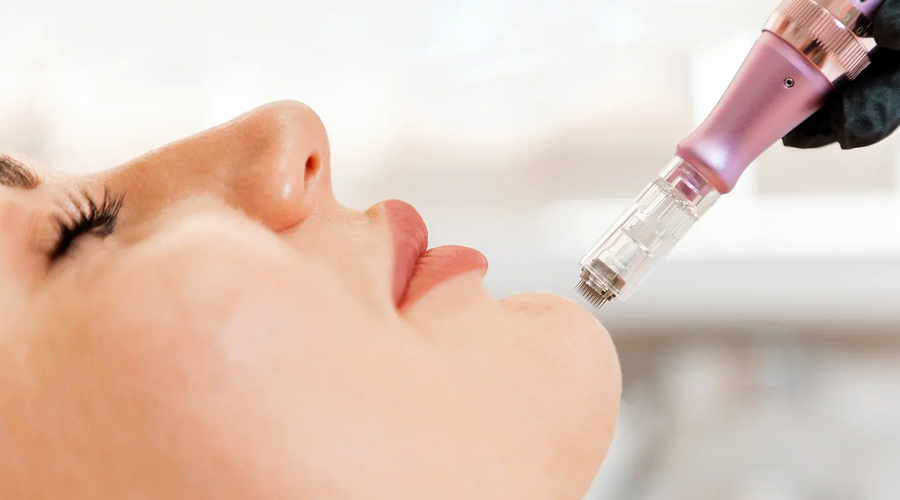
Exosomes can be administered in two ways: topical application immediately after microneedling or laser resurfacing — allowing deep penetration through micro-channels — or via intradermal microinjections for direct delivery to the dermis. Sessions take 30–45 minutes depending on the combination protocol.
3. Post-Treatment Care
Recovery depends on the combination treatment used. Exosome therapy alone via injection has minimal downtime — mild redness resolving within 24 hours. When combined with microneedling or laser, standard post-procedure recovery guidelines apply.
Benefits of Exosome Therapy for Skin
Highly concentrated regenerative signals far exceeding PRP growth factor levels.
Cell-free — no risk of immune rejection or graft-versus-host effects.
Addresses multiple signs of ageing simultaneously.
Powerful synergy with microneedling, laser resurfacing, and PRP.
Suitable for sensitive skin and those who have not achieved desired results with conventional treatments.
What to Expect
Exosome therapy for skin is a relatively new modality with growing clinical evidence supporting its regenerative effects. Visible improvement in skin radiance, hydration, and texture is typically noticed within 2–4 weeks, with progressive improvement continuing for 2–3 months. A series of 2–3 sessions is often recommended for optimal outcomes. Your dermatologist will integrate exosome therapy into a customised treatment programme based on your specific skin concerns and goals.