

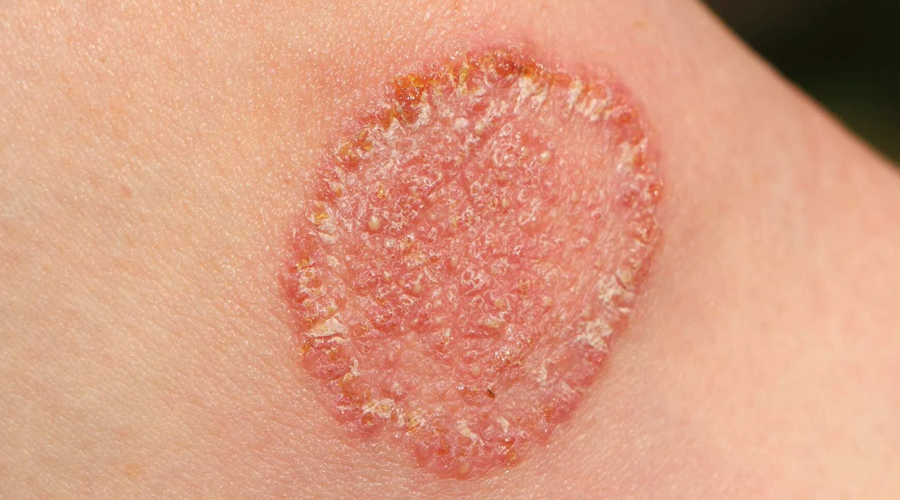
Fungal Skin Infections
Fungal skin infections are among the most common dermatological concerns, especially in humid climates. They can affect the skin, scalp, nails, and body folds, causing discomfort, itching, and visible changes in the skin's appearance. Accurate diagnosis and appropriate antifungal treatment are key to effective management and preventing recurrence.
Understanding Fungal Skin Infections
Fungi naturally exist on and around the body, but certain conditions — such as excessive moisture, heat, weakened immunity, or close contact with infected individuals — can lead to overgrowth and infection. The most common causative organisms include dermatophytes, Candida species, and Malassezia.
Common Types of Fungal Infections
Tinea Corporis (Ringworm): Ring-shaped, scaly patches on the body, often itchy.
Tinea Cruris (Jock Itch): Infection in the groin and inner thighs, common in warm weather.
Tinea Pedis (Athlete's Foot): Scaling, itching, and fissuring between the toes and on the soles.
Tinea Capitis: Scalp infection causing scaly patches and possible hair loss, more common in children.
Tinea Unguium (Onychomycosis): Fungal nail infection causing thickening, discoloration, and brittle nails.
Tinea Versicolor (Pityriasis Versicolor): Patchy discoloration caused by Malassezia overgrowth on the trunk and shoulders.
Candidal Infections: Affecting skin folds, the oral cavity, or the genital area, particularly in those with moisture exposure or reduced immunity.
Our Treatment Approach
1. Accurate Diagnosis
A clinical examination, Wood's lamp evaluation, and, if needed, skin scraping with microscopy or culture helps confirm the type and extent of the fungal infection before treatment is started.
2. Topical Antifungal Therapy
For localised infections, appropriate topical antifungal creams, gels, or shampoos are prescribed. The agent, concentration, and duration are selected based on the specific fungal organism and site of infection.
3. Oral Antifungal Medications
Widespread, deep, or nail infections often require oral antifungal medications for a defined course. Monitoring and liver function evaluation may be required for prolonged treatment.
4. Recurrence Prevention
Guidance on hygiene practices, footwear, clothing, and moisture management helps reduce the risk of reinfection and recurrence, particularly in tinea pedis, tinea cruris, and tinea versicolor.
Benefits of Professional Treatment
Accurate identification of the causative organism for targeted treatment.
Reduces symptoms including itching, scaling, and discomfort.
Clears infection more effectively than over-the-counter options in persistent cases.
Reduces the risk of spreading infection to others or other body parts.
Guidance on preventing recurrence with lifestyle and hygiene advice.
What to Expect During Your Consultation
Your dermatologist will assess the affected areas, identify the type of fungal infection, and recommend the most appropriate treatment. Nail fungal infections require prolonged treatment and may not always achieve complete clearance. Follow-up is important to assess treatment response and adjust the plan as needed.