

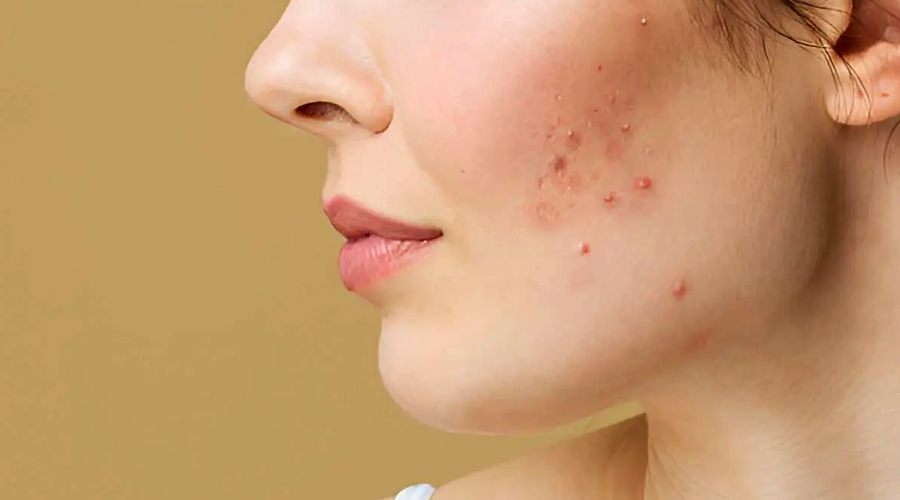
Acne & Post-Acne Marks
Acne and post-acne marks are common skin concerns that can affect skin texture, complexion, and confidence. From active breakouts and clogged pores to dark spots and lingering blemishes, each concern requires the right approach. Our personalized dermatological treatments focus on managing acne, reducing visible marks, and improving overall skin health for a smoother, clearer complexion.
Understanding Acne & Post-Acne Marks
Acne develops when hair follicles become clogged with excess oil, dead skin cells, and bacteria, leading to blackheads, whiteheads, pimples, or deeper inflammatory lesions. After acne heals, some people experience dark spots, redness, or scars that may take time to fade.
Early and appropriate treatment can help control breakouts, minimize the risk of scarring, and support healthier-looking skin.
Common Acne & Post-Acne Concerns
-
Active Acne: Pimples, inflamed bumps, and recurring breakouts.
-
Blackheads & Whiteheads: Clogged pores caused by oil and dead skin cells.
-
Post-Acne Pigmentation: Dark spots or discoloration left after pimples heal.
-
Acne Scars: Depressed or raised scars that affect skin texture.
-
Oily & Acne-Prone Skin: Excess oil production and frequent clogged pores.
-
Uneven Skin Texture: Roughness and visible irregularities caused by previous breakouts.
Our Acne Treatment Approach
We offer individualized treatment plans based on your skin type, acne severity, and specific concerns.
1. Clinical Acne Management
Dermatologist-guided treatment helps control active acne, reduce inflammation, and prevent recurring breakouts. Depending on your condition, treatment may include topical medications, oral medications when appropriate, and a personalized skincare routine.
2. Chemical Peels
Suitable chemical peels help exfoliate the skin, unclog pores, and improve certain types of acne and post-acne pigmentation. The peel type and strength are selected according to your skin condition and tolerance.
3. Acne Scar Treatment
For persistent acne scars, treatments such as microneedling, subcision, radiofrequency procedures, and fractional CO₂ laser may be considered. The most appropriate option depends on the type, depth, and severity of the scars.
4. Laser & Pigmentation Treatments
Selected laser treatments may help improve post-acne discoloration and uneven skin tone. Treatment suitability depends on your skin type, pigmentation pattern, and risk of post-inflammatory hyperpigmentation.
5. Skin Rejuvenation Treatments
PRP or other selected skin rejuvenation procedures may be considered as complementary options in suitable cases. These treatments are chosen after assessing your skin concerns and discussing realistic benefits.
Benefits of Professional Acne Treatment
-
Helps control active breakouts.
-
Reduces the appearance of post-acne marks.
-
Improves uneven skin tone and texture.
-
Helps minimize the risk of permanent scarring.
-
Supports healthier skin through personalized care.
-
Provides guidance on preventing future breakouts.
How to Prevent Acne & Post-Acne Marks
Maintaining a consistent skincare routine can support your treatment results.
-
Cleanse your face gently twice daily.
-
Use non-comedogenic skincare and sunscreen.
-
Avoid picking, squeezing, or scratching pimples.
-
Introduce acne products gradually to reduce irritation.
-
Follow your dermatologist's treatment recommendations.
-
Seek early care for painful, persistent, or scarring acne.
What to Expect During Your Consultation
Your dermatologist will assess your acne type, skin sensitivity, existing marks, and any scarring. Based on this evaluation, a personalized treatment plan will be recommended, including suitable procedures, home care, and follow-up visits.
Results vary depending on the condition and treatment selected. Active acne may require ongoing management, while pigmentation and scars can take several months to improve. Some scars may not disappear completely.