

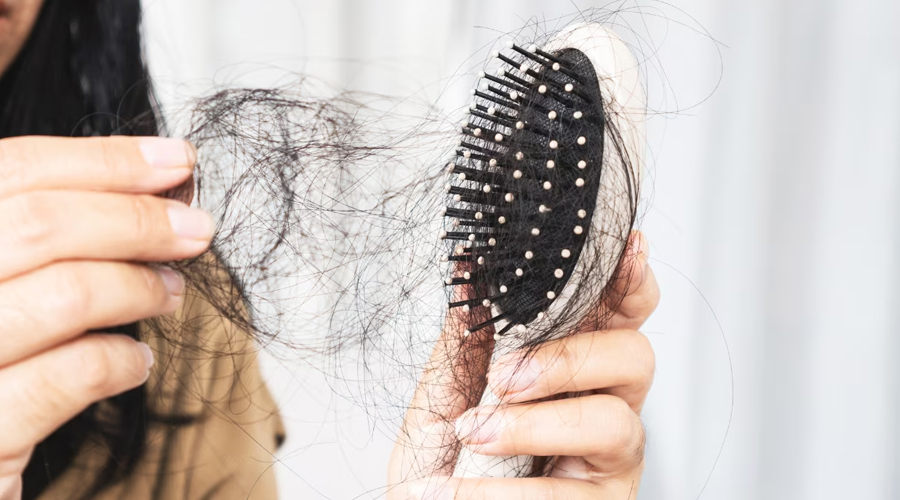
Hair Fall & Hair Thinning
Hair fall and hair thinning are among the most common concerns seen in dermatology practice. Whether gradual or sudden, these changes can be distressing and may signal an underlying medical, nutritional, hormonal, or genetic issue. Accurate diagnosis is the foundation of effective treatment, and our dermatologist-trichologist approach ensures that the root cause is identified before a treatment plan is recommended.
Understanding Hair Fall & Hair Thinning
It is normal to shed 50–100 hairs per day. Hair fall becomes a concern when shedding exceeds this, when hair does not regrow adequately, or when visible thinning or widening of the part is noticed. Hair thinning often precedes more significant hair loss and should be evaluated early for better treatment outcomes.
Common Causes
Androgenetic Alopecia (Genetic Hair Loss): The most common cause in both men and women; characterised by a pattern of progressive thinning related to hormonal sensitivity of hair follicles.
Telogen Effluvium: Diffuse shedding triggered by stress, illness, surgery, childbirth, crash dieting, or thyroid dysfunction.
Nutritional Deficiencies: Iron deficiency, vitamin D, zinc, biotin, and protein deficiency can contribute to hair fall.
Hormonal Imbalances: Thyroid disorders, PCOS, and postpartum changes are common hormonal contributors.
Scalp Conditions: Seborrhoeic dermatitis, psoriasis, and scalp inflammation can impair hair growth.
Chronic Illness or Medications: Certain systemic diseases and medications can cause hair thinning as a side effect.
Our Treatment Approach
1. Trichological Assessment
A comprehensive scalp and hair examination, including trichoscopy (dermoscopic evaluation of the scalp and hair), provides detailed information about hair density, follicle health, and the pattern of hair loss.
2. Investigations
Blood tests to assess thyroid function, iron stores, ferritin, vitamin D, hormonal profile, and other relevant markers help identify any underlying systemic or nutritional cause contributing to hair fall.
3. Medical Management
Based on the diagnosis, appropriate medical treatments may include topical minoxidil, oral medications, hormonal management, or nutritional supplementation. Treatment is personalised and evidence-based.
4. In-Clinic Treatments
Procedures such as PRP (Platelet-Rich Plasma) therapy, GFC (Growth Factor Concentrate), hair mesotherapy, or exosome therapy may be recommended as adjuncts to medical treatment to stimulate hair follicle activity and improve hair density.
5. Scalp Care
Managing scalp conditions such as dandruff or seborrhoeic dermatitis that may be contributing to hair fall is an important part of the overall treatment plan.
Benefits of Professional Hair Loss Treatment
Identifies the specific cause of hair fall for targeted treatment.
Slows down progressive hair thinning with early intervention.
Combines medical and procedure-based approaches for comprehensive care.
Monitors treatment response and adjusts the plan as needed.
Provides realistic guidance on expected outcomes and timelines.
What to Expect
Hair growth is a slow process. Noticeable improvement in hair density or reduction in shedding typically takes 3–6 months of consistent treatment. In cases of androgenetic alopecia, ongoing maintenance treatment is usually needed to sustain results. Your dermatologist will guide you through a realistic treatment timeline and monitor your progress with follow-up visits.